

Field Report
Commercial Construction News & Insights from J. Forrest Development
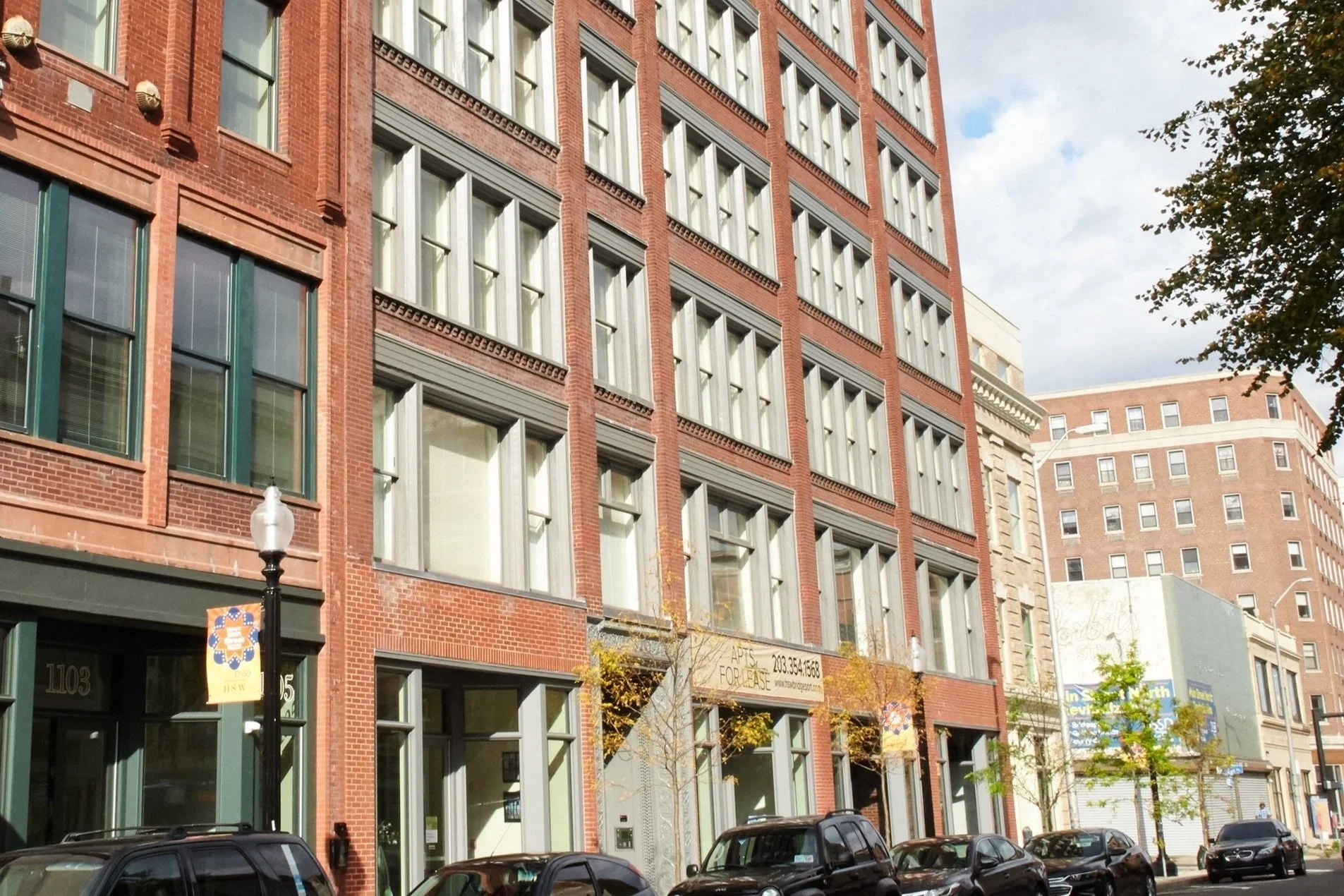
Specialized Construction: Expanding Kentucky's Distillery Infrastructure
How do developers successfully manage Kentucky distillery expansion? To safely execute a bourbon facility, out-of-state developers must deploy an Owner's Rep to navigate extreme fire codes, source specialized process piping trades, and manage the complex integration of industrial manufacturing with high-end hospitality. Relying passively on a standard commercial General Contractor for distillery construction exposes your capital to catastrophic regulatory delays and compliance failures.
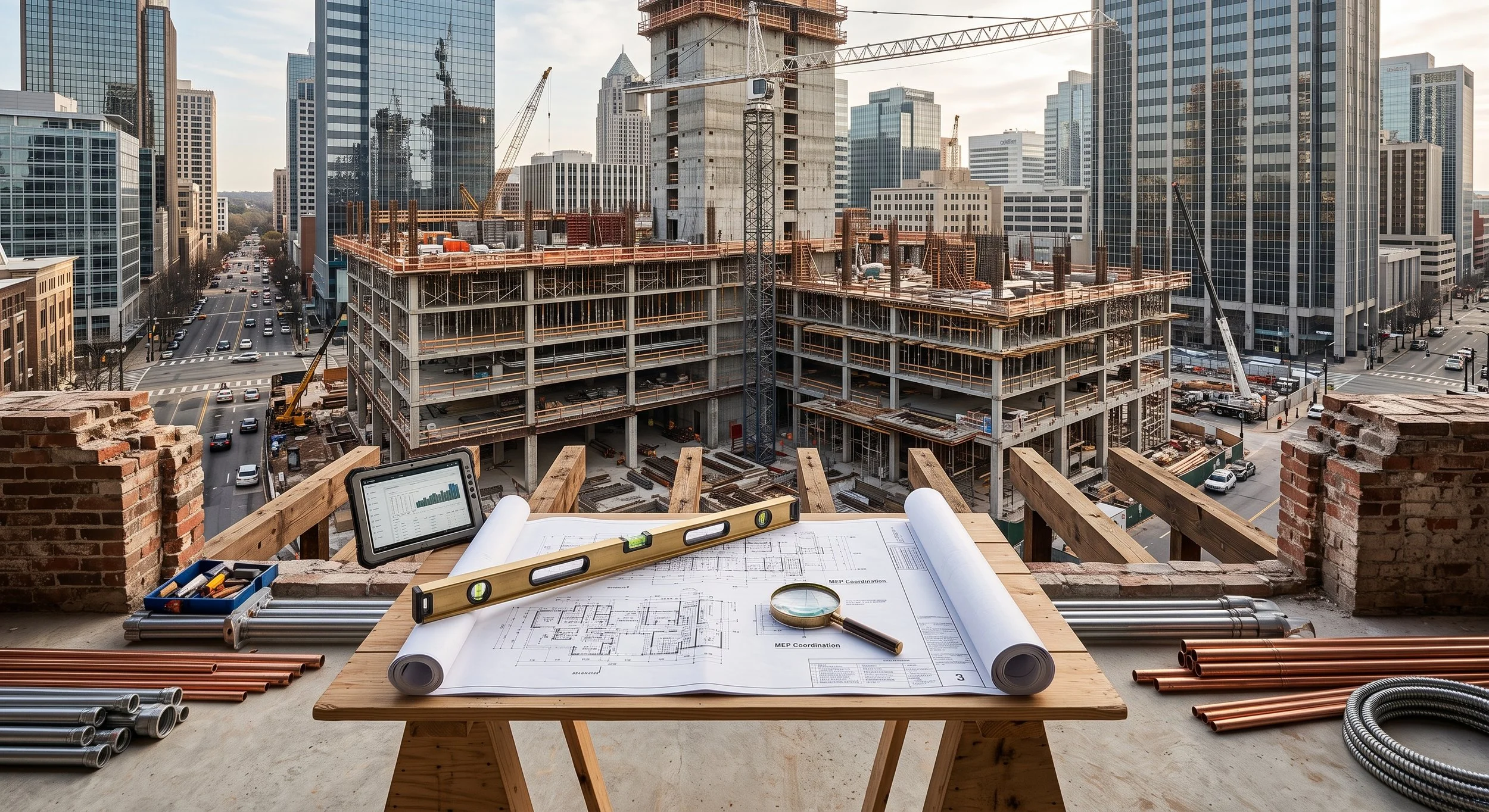
Office-to-Residential Conversions in Northern Virginia: Mitigating Risk
How do you mitigate the financial risk of an office-to-residential conversion in Northern Virginia? To successfully execute an adaptive reuse project, developers must deploy a builder-led Owner's Rep to forensically audit structural load capacities, navigate complex MEP retrofits, and manage rigid municipal zoning changes. Passively relying on a General Contractor during the feasibility phase will result in catastrophic budget overruns from hidden existing conditions.
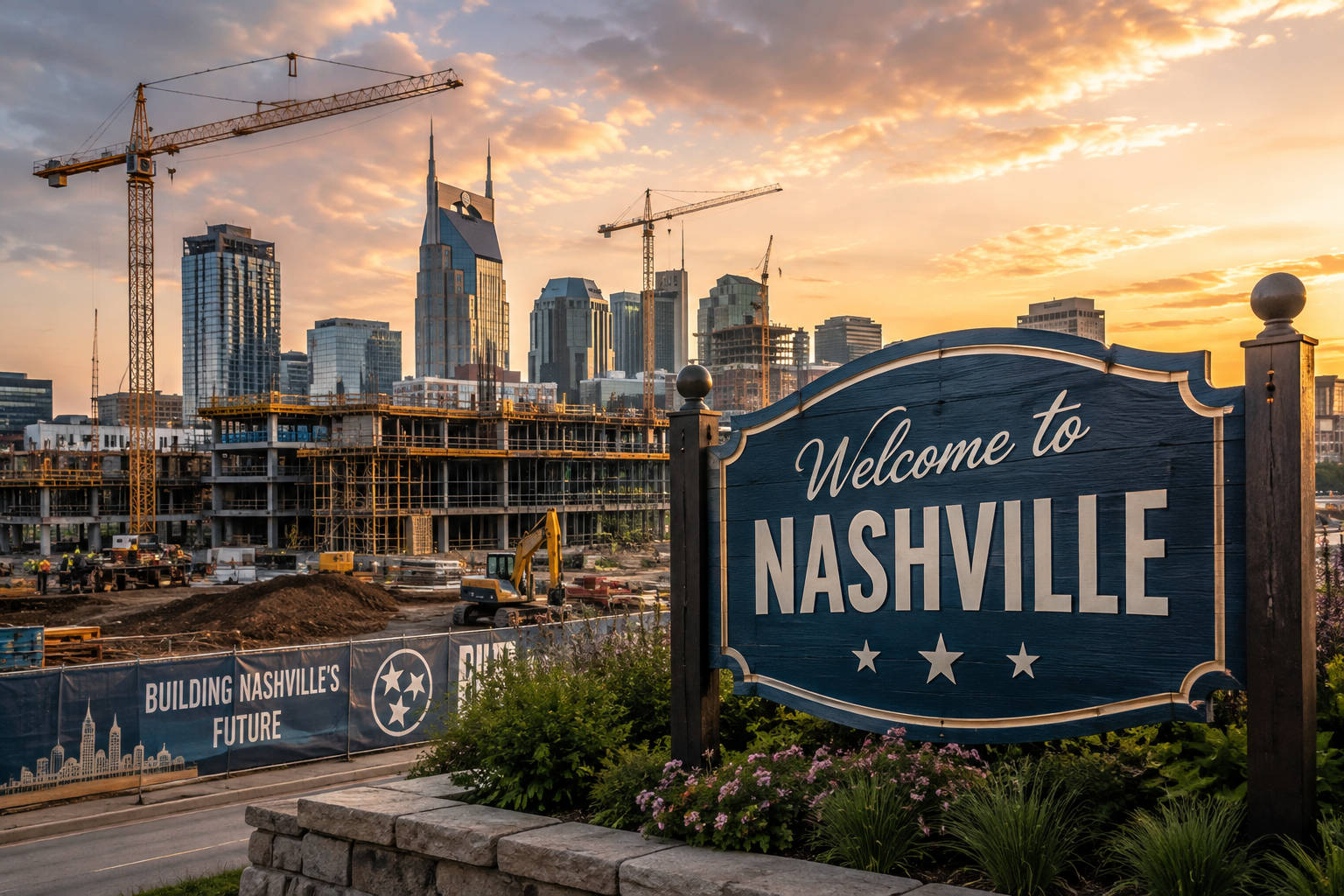
Nashville's Hospitality Boom: Enforcing Aggressive Construction Timelines
What is the biggest financial risk in Nashville hotel construction? A delayed opening date. In the hospitality sector, every day a project is delayed results in massive, unrecoverable revenue losses. To successfully execute a hotel build, out-of-state developers must deploy a local Owner's Rep to hold General Contractors strictly accountable, physically audit schedule milestones, and aggressively manage complex FF&E (Furniture, Fixtures & Equipment) logistics.
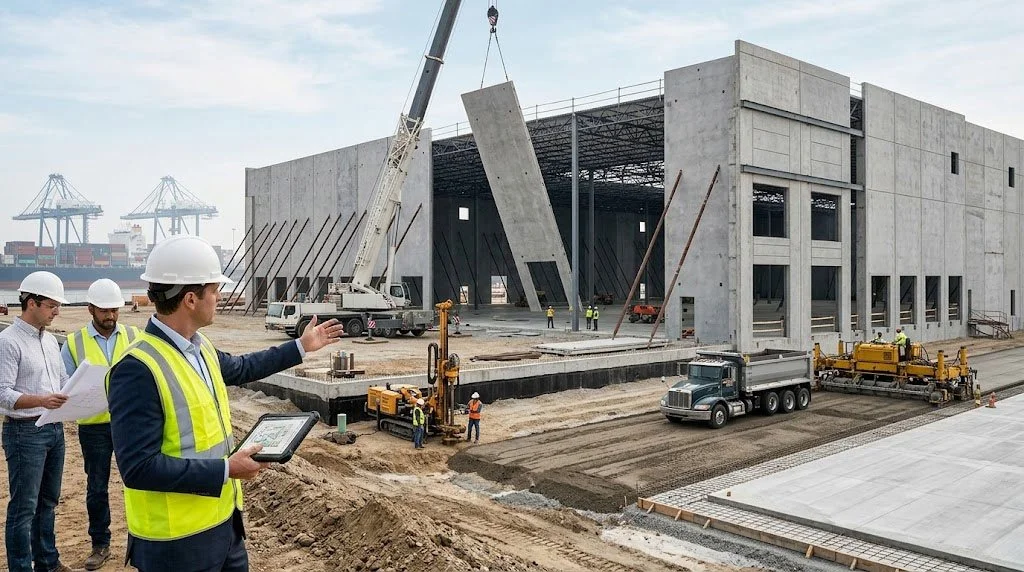
Savannah Port Expansions: Industrial Real Estate Construction Oversight
How do out-of-state developers protect their investments near the Port of Savannah? To successfully execute a logistics build in coastal Georgia, developers must deploy a local Owner's Rep to enforce rigorous geotechnical site selection, oversee the engineering of heavy-duty truck paving, and actively manage the tilt-up concrete sequencing required for high-cube warehouses. Relying passively on a local General Contractor leaves your pro-forma dangerously exposed to environmental surprises and compounding schedule delays.
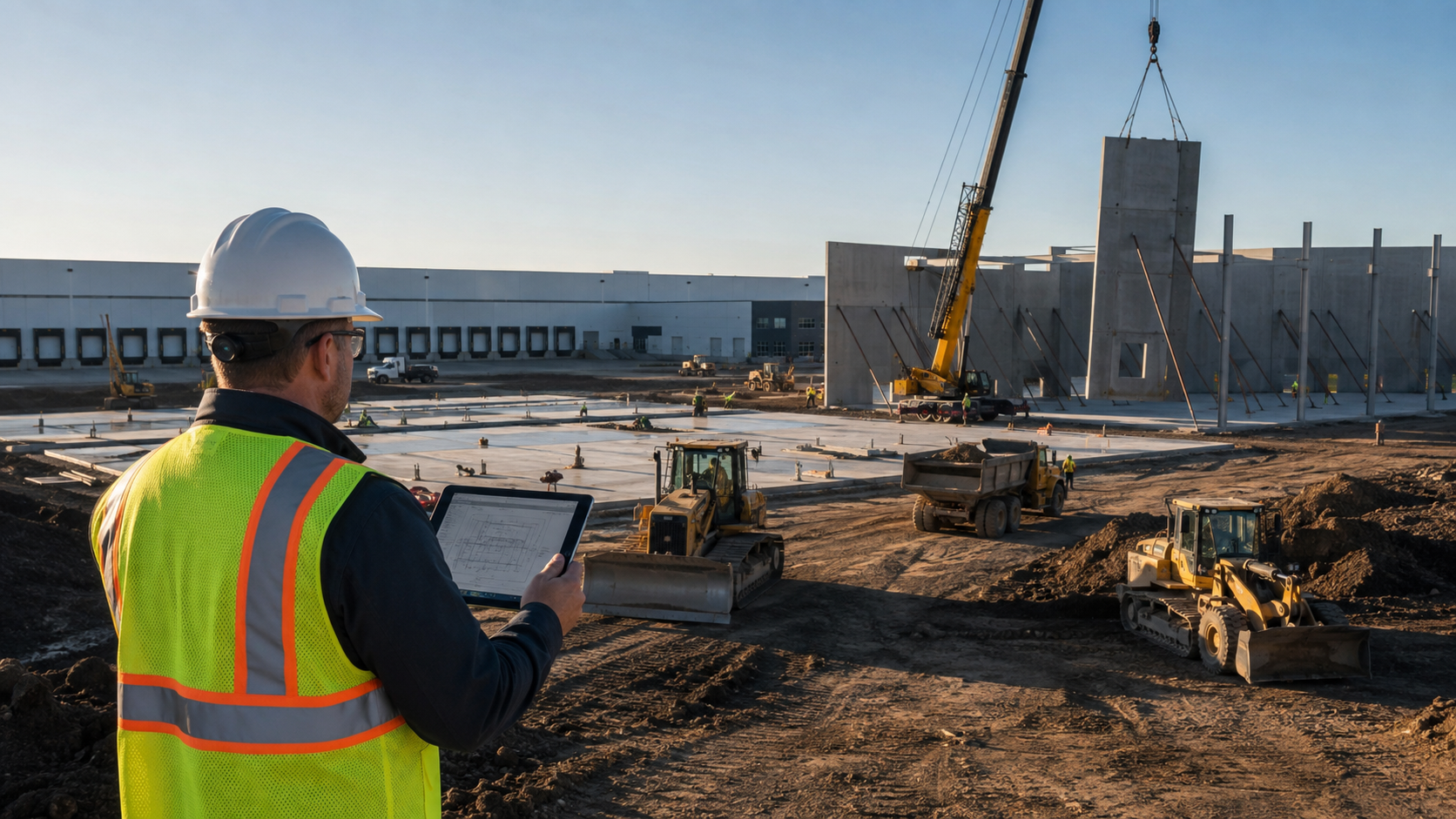
Logistics Hubs in Louisville: Delivering Industrial Warehouse Construction on Time
How do you ensure on-time delivery for industrial warehouse construction in Louisville? To hit tight delivery dates for logistics hubs, developers must actively manage massive site grading, tightly sequence tilt-up concrete schedules, and force early coordination with local Kentucky utility providers. Relying passively on a General Contractor is a massive risk; deploying a builder-led Owner's Rep ensures boots-on-the-ground oversight to enforce the critical path, mitigate schedule slip, and protect your capital.
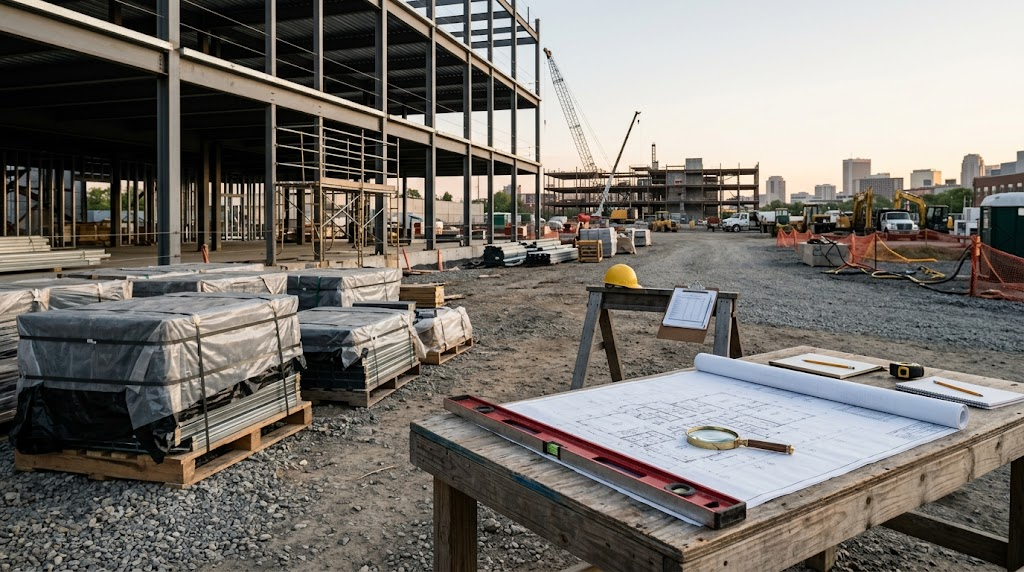
Handling Subcontractor Default: A Developer's Nightmare
How do you handle a subcontractor default in commercial construction? To handle a subcontractor default, you must immediately secure the job site and inventory, forensically audit the completed work to prevent overpayment, and leverage local trade networks to rapidly source a replacement. Project stabilization requires active, builder-led intervention—ideally from an Owner's Rep—to intercept the risk, minimize compounding carrying costs, and protect your capital before schedule delays become irreversible.

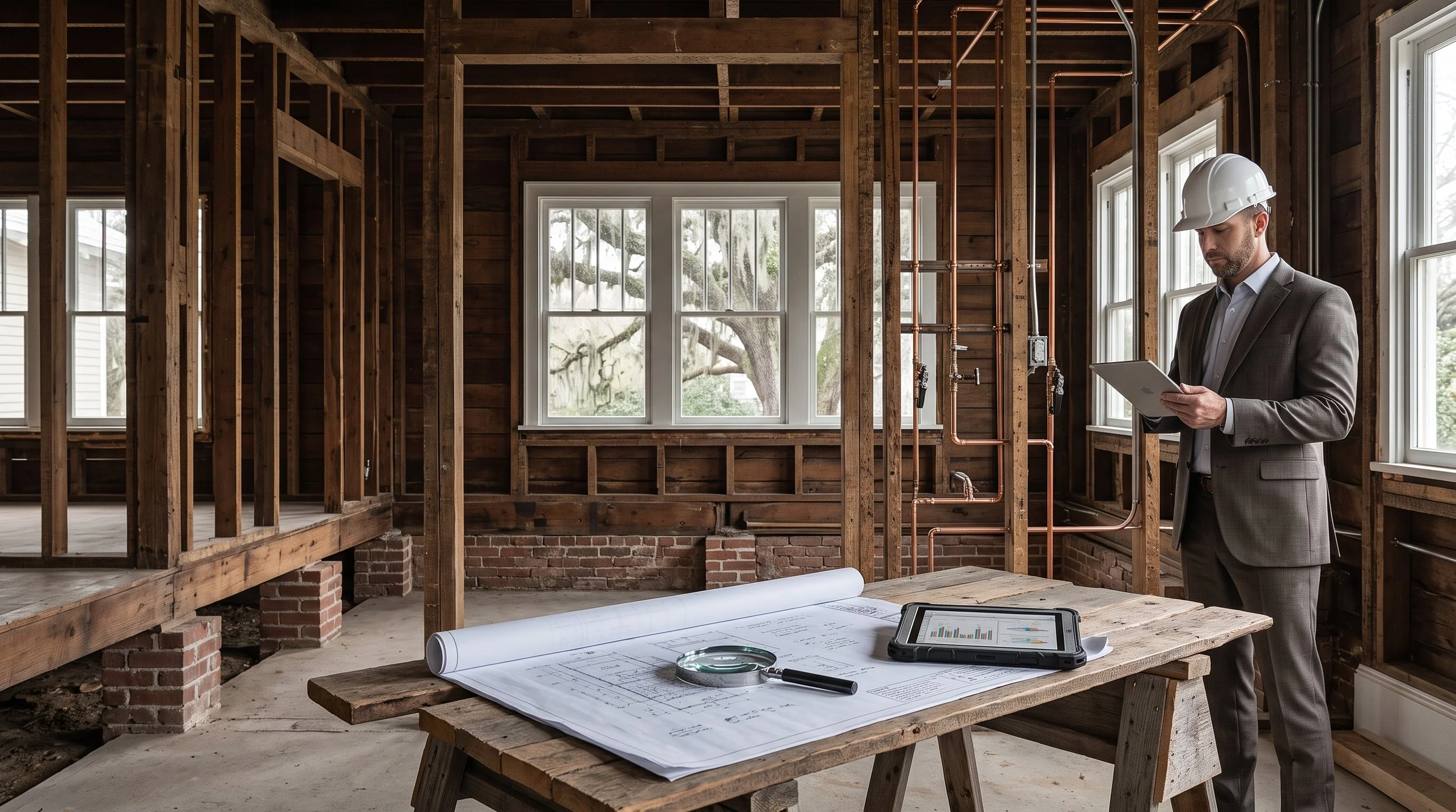
Modernizing Historic Properties: A Dilworth Case Study
Dilworth doesn't forgive shortcuts. Charlotte's oldest streetcar suburb is a patchwork of century-old bungalows, foursquares, and Colonial Revivals — homes that were framed before HVAC existed, wired before code required a permit, and plumbed with materials no supplier has carried in fifty years. Renovating one isn't a cosmetic exercise. It's a structural and mechanical negotiation with a building that was never designed to hold central air, tankless water heaters, or a modern electrical panel.
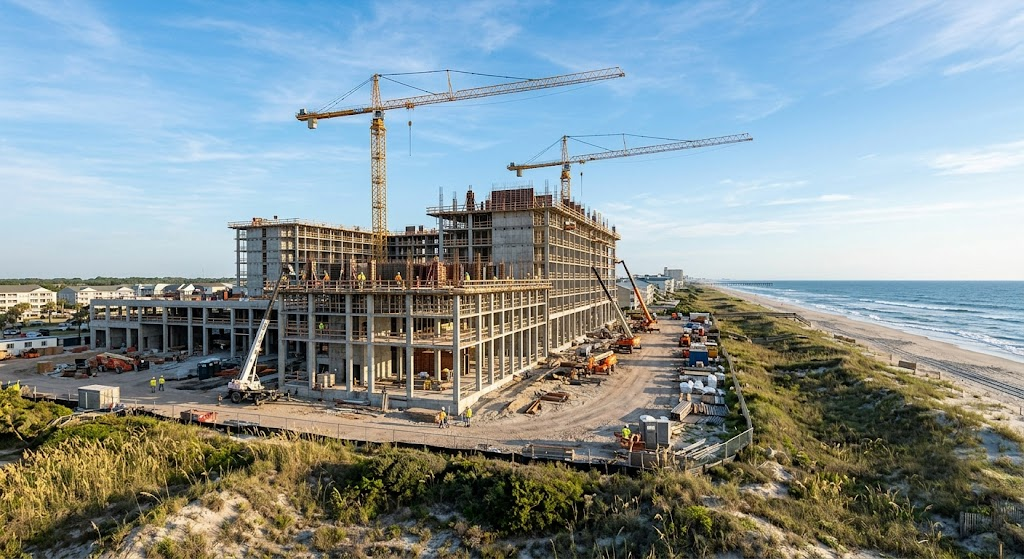
Navigating Coastal Codes: The Value of an Owner's Rep in South Carolina
The South Carolina coast is experiencing unprecedented commercial growth. For out-of-state developers and institutional investors, markets like Charleston and Myrtle Beach represent massive opportunities for high-yield returns. But building in the Lowcountry is not like building anywhere else.
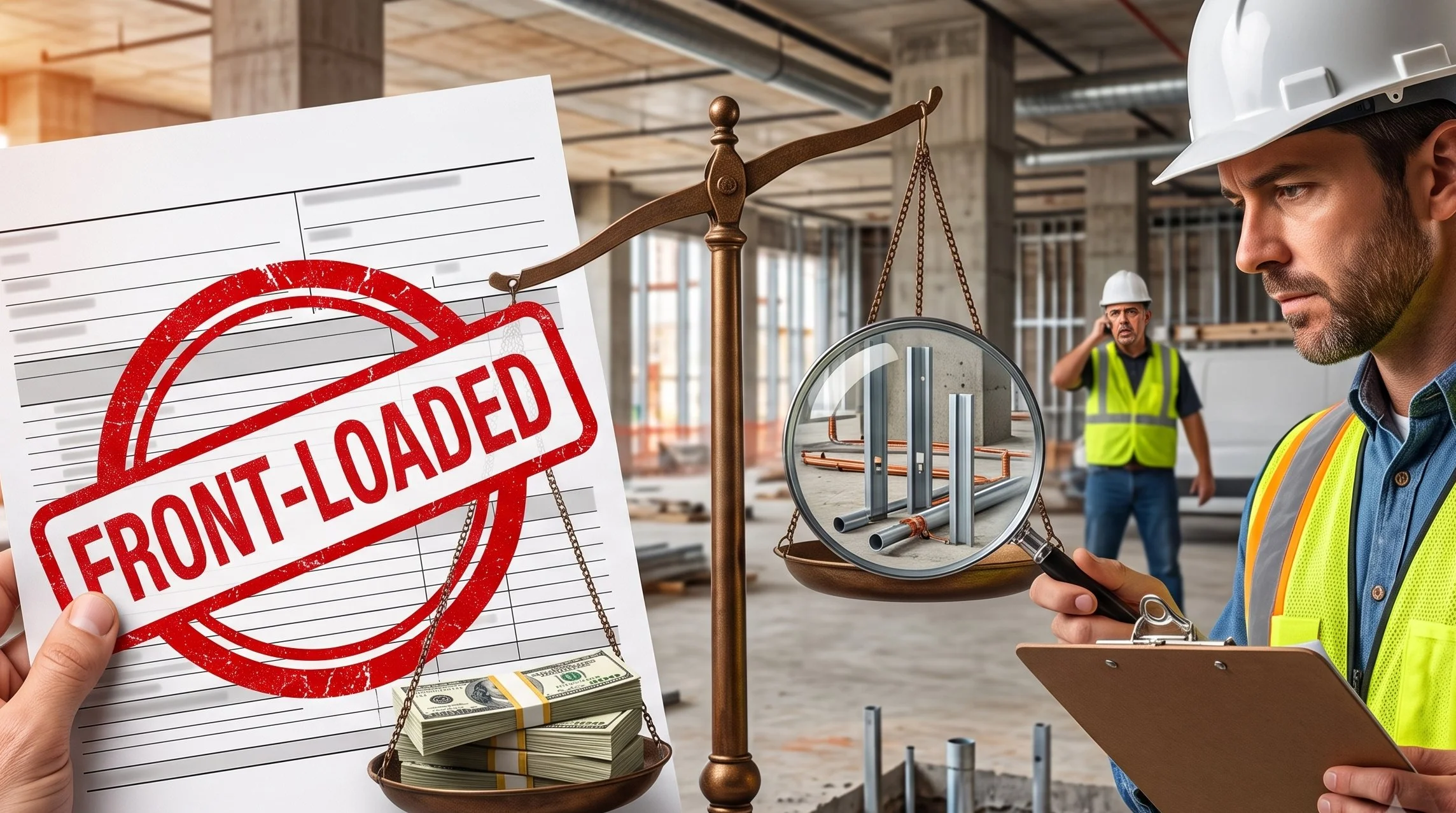
Navigating the Draw Request Process: Protecting Your Capital from Front-Loaded Billing
For commercial developers and institutional investors, the monthly construction draw request is the most vulnerable moment for your capital stack. Every 30 days, your General Contractor submits a dense application for payment, detailing hundreds of line items and requesting millions of dollars.
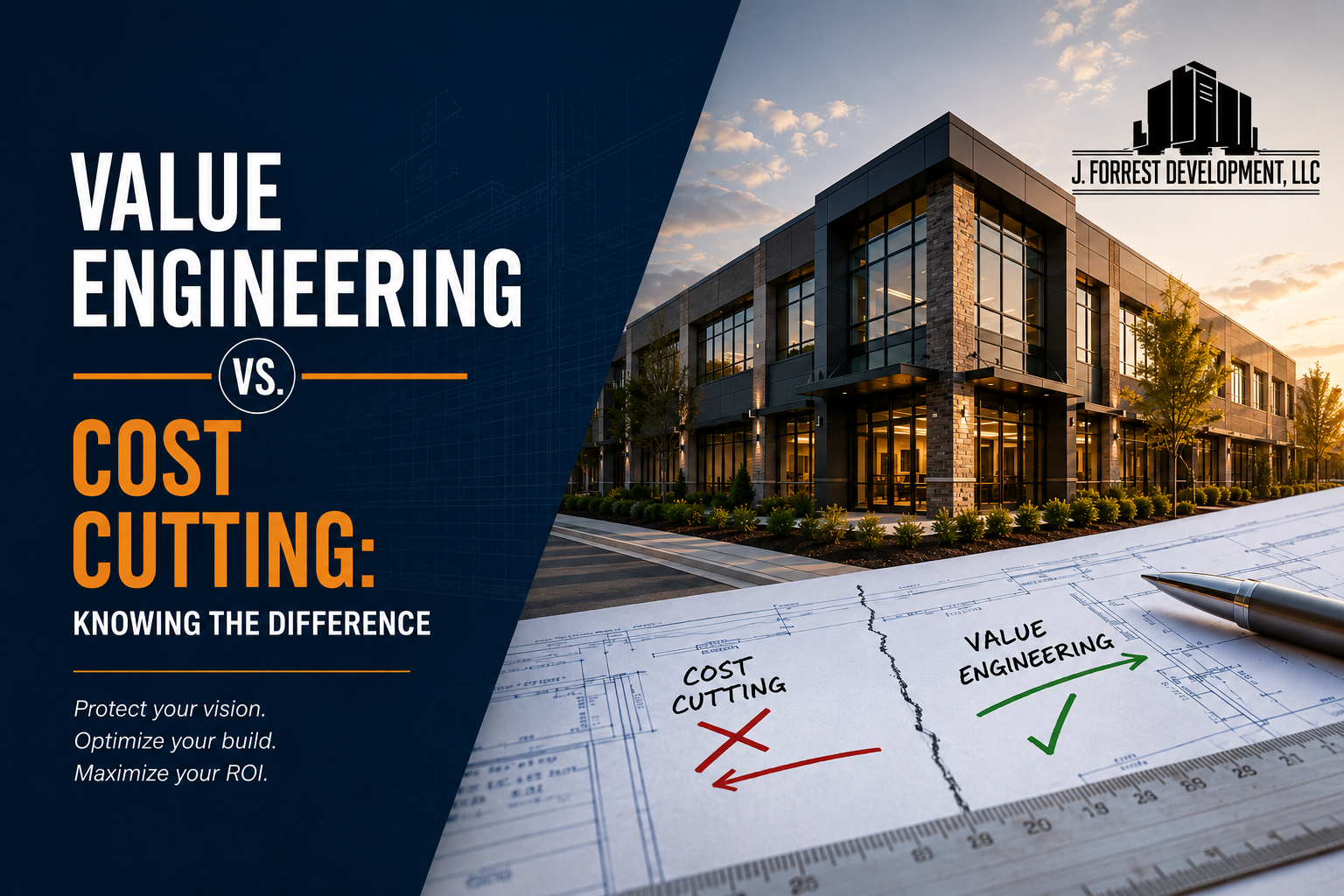
Value Engineering vs. Cost Cutting: Knowing the Difference
When the initial round of construction bids comes back significantly over your underwritten budget, the immediate reaction in the developer's boardroom is often a frantic pivot to slash numbers. This panicked reduction process is frequently—and incorrectly—mislabeled as "Value Engineering" (VE).
Handling Subcontractor Default: A Developer's Nightmare
Whether it is the mechanical contractor abandoning a mid-rise upfit due to cash flow issues or the site-work crew failing to mobilize on a new build, the ripple effects destroy schedules and devour contingencies. This guide explores the anatomy of a subcontractor default, why General Contractors (GCs) often hide the reality from remote owners, and how an active, builder-led Owner's Rep steps in to stabilize the asset.
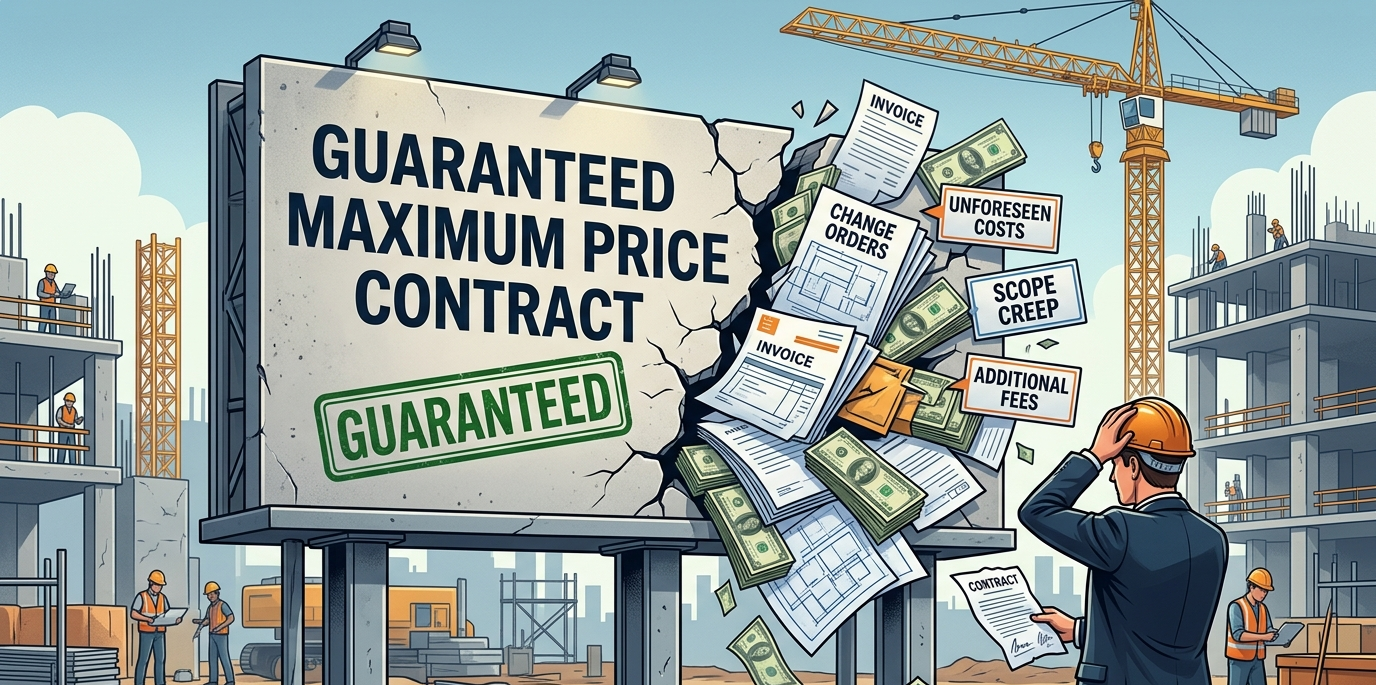
The Myth of the Guaranteed Maximum Price Contract
For commercial developers and institutional investors funding projects in North Carolina, the Guaranteed Maximum Price construction contract is often viewed as the ultimate financial safety net. The name itself implies absolute certainty. It suggests that no matter what happens on the job site, your capital exposure is capped. This is a dangerous financial illusion.
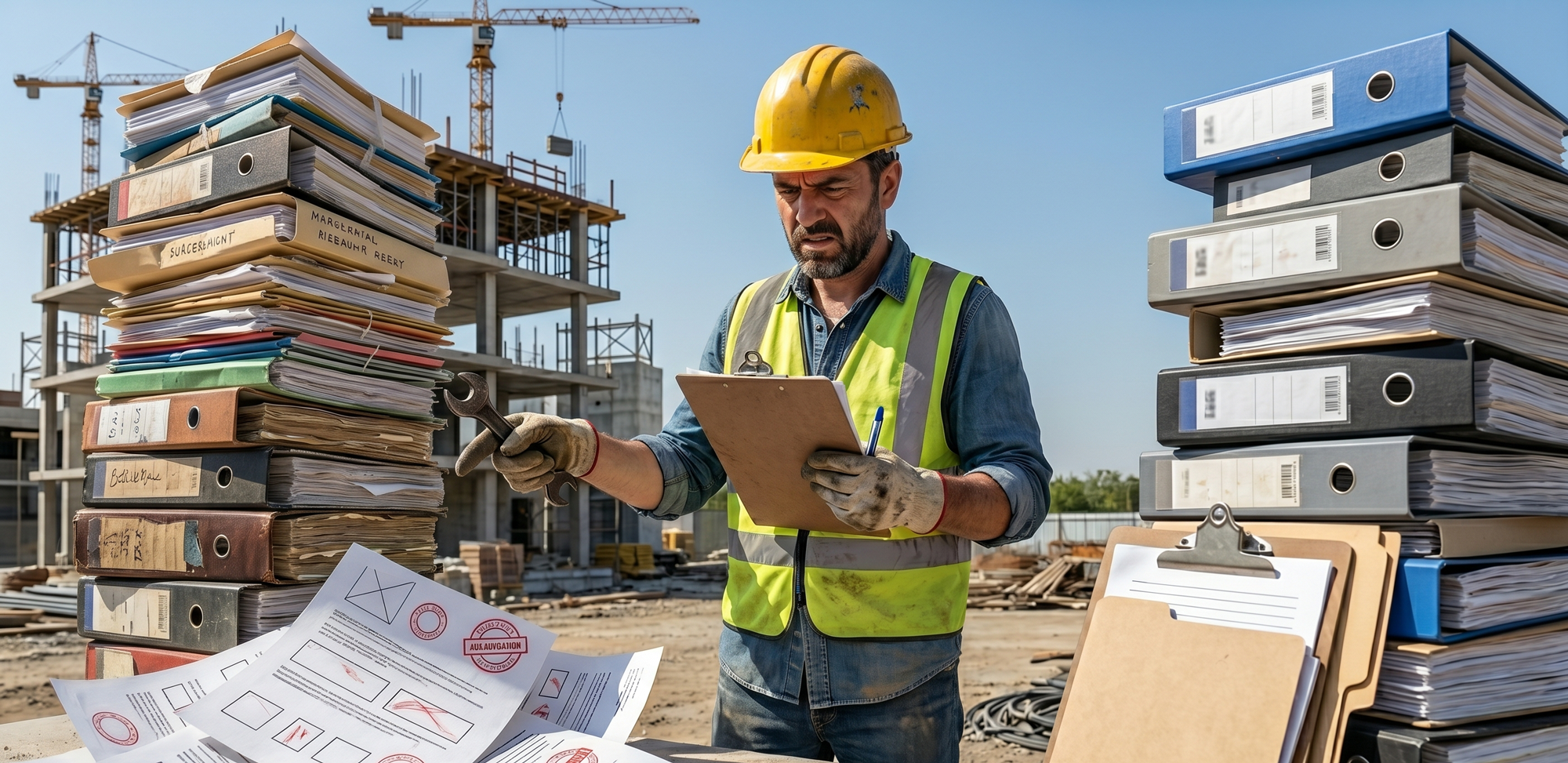
Navigating Mecklenburg County Permitting: Avoiding the "Red Tape" Delays
Securing Mecklenburg County commercial building permits and achieving Charlotte zoning compliance is a notoriously complex, multi-layered process. Without an aggressive, highly localized strategy, developers routinely find their projects trapped in "permitting limbo" for months. Every week your project sits on a reviewer's desk, your carrying costs compound, your interest reserves deplete, and your anticipated ROI steadily erodes.
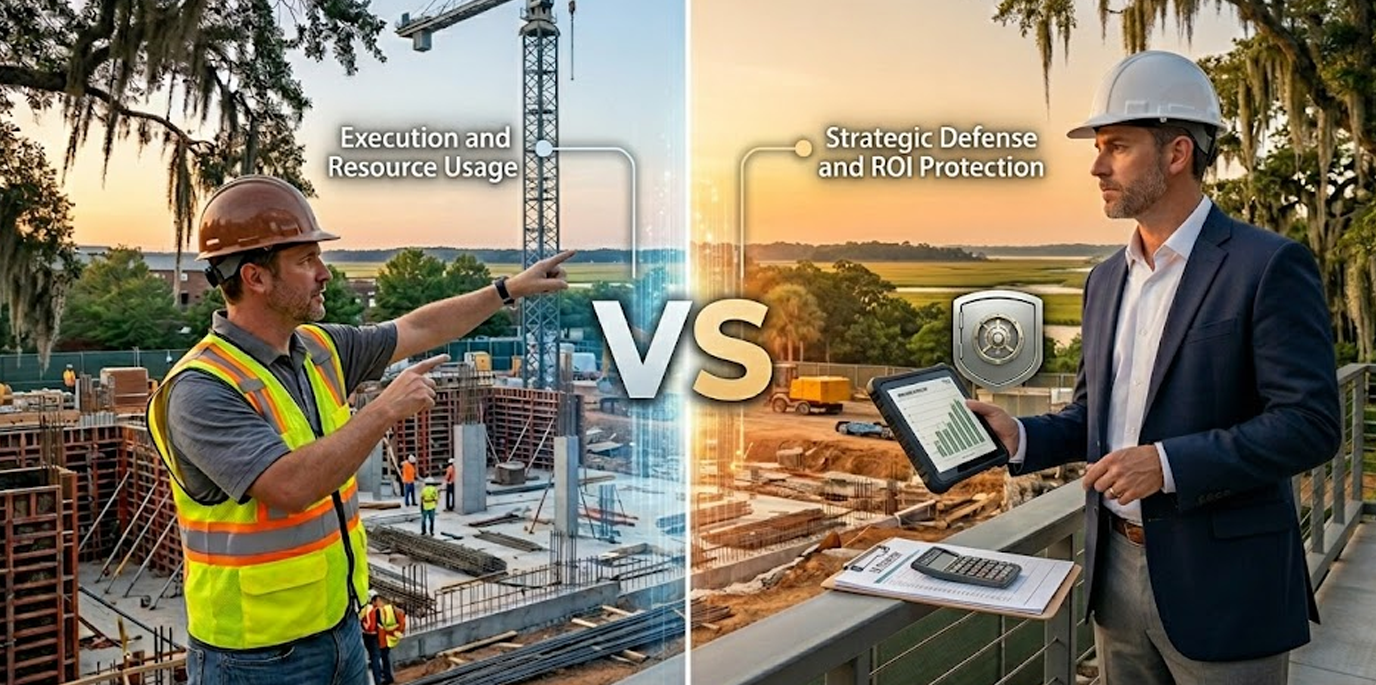
General Contractor vs. Owner's Rep: Who is Actually Protecting Your Budget?
In commercial construction, there is a fundamental and dangerous misconception that the General Contractor is responsible for protecting the developer budget. They are not. A General Contractor is hired to construct the physical building according to the architectural plans. Their primary financial responsibility is protecting their own profit margin and mitigating their own corporate risk.
Charlotte’s Commercial Boom: Why Out-of-State Capital is Outpacing Local GC Capacity
The Greater Charlotte area remains one of the most aggressive and resilient commercial real estate markets in the United States. Driven by sustained population in-migration, a notoriously business-friendly climate, and the rapid expansion of both the financial and technology sectors, the region is experiencing a generational building boom. National developers, institutional funds, and out-of-state private capital are flooding the Carolinas, funding everything from high-density multi-family mid-rises in South End to massive, million-square-foot industrial logistics parks on the outskirts of Mecklenburg and Cabarrus counties.
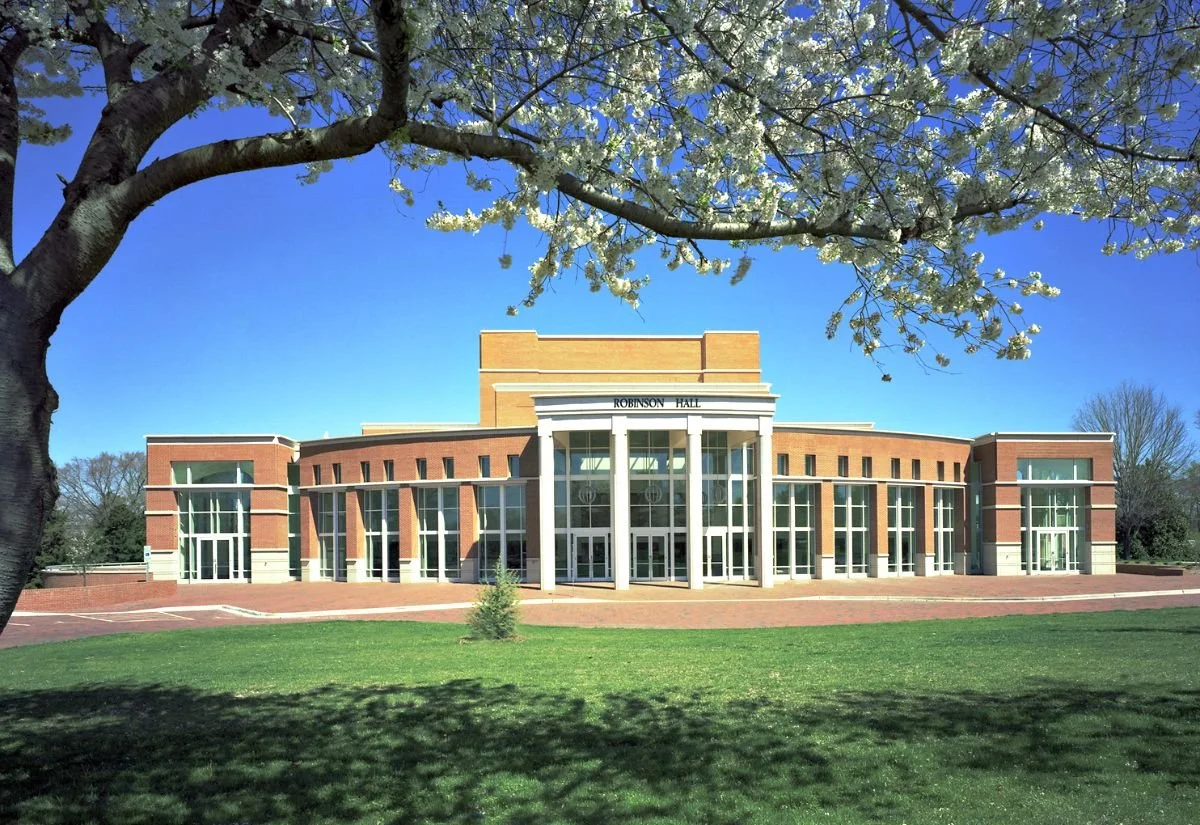
J. Forrest Development Selected as General Contractor for UNC Charlotte's Belk Theater Renovation
J. Forrest Development, LLC is proud to announce our selection as the General Contractor for the upcoming structural modifications and comprehensive stage replacement at the University of North Carolina at Charlotte’s Robinson Hall Belk Theater.
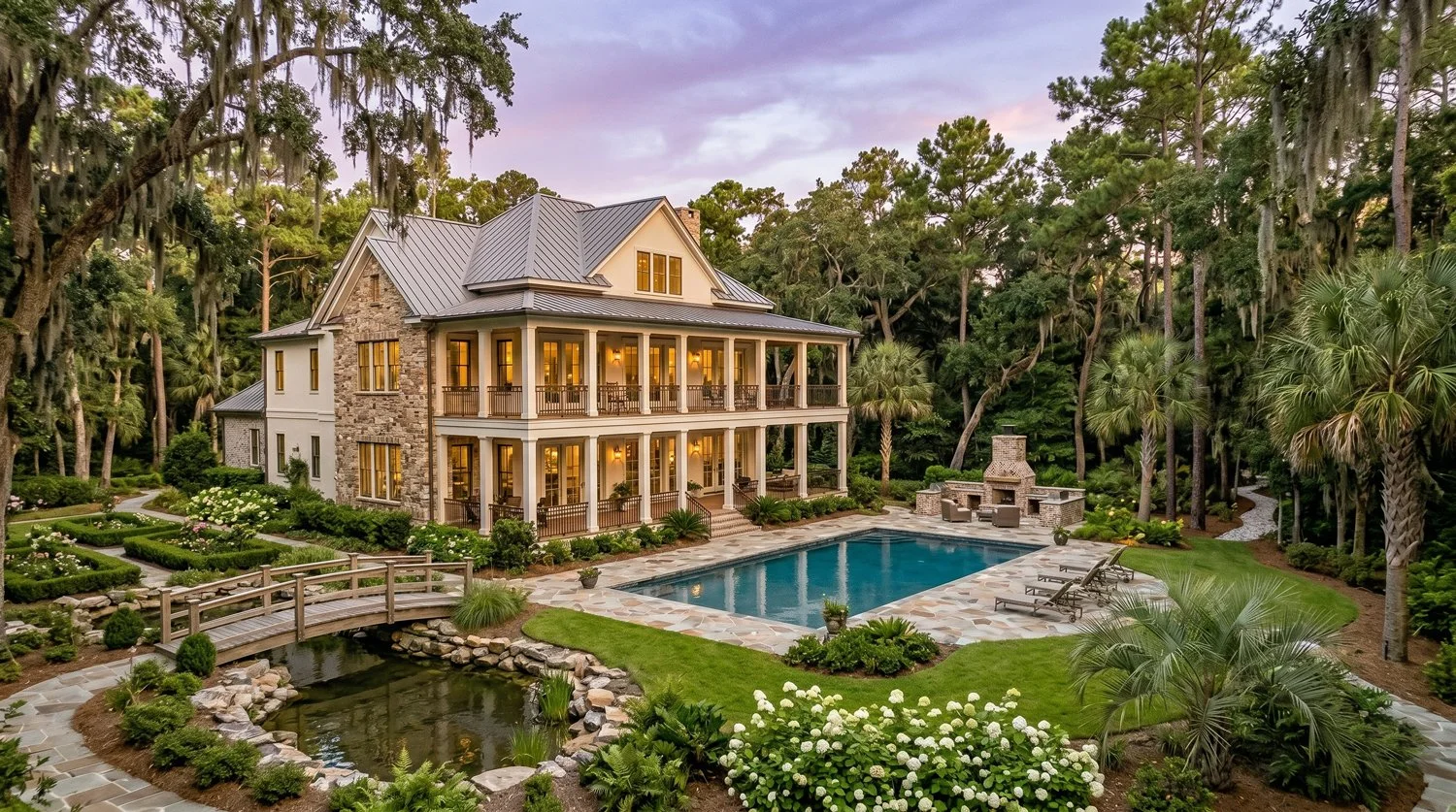
Logistics of the Luxury Build: Custom Estates in South Charlotte
When building a multi-million dollar custom estate in exclusive enclaves like Foxcroft, Myers Park, or SouthPark, the conversation often centers on aesthetics—imported marble, bespoke millwork, and high-end lighting. However, true luxury building is not defined by the finishes you see; it is defined by the structural capability and flawless logistics that make those finishes possible.
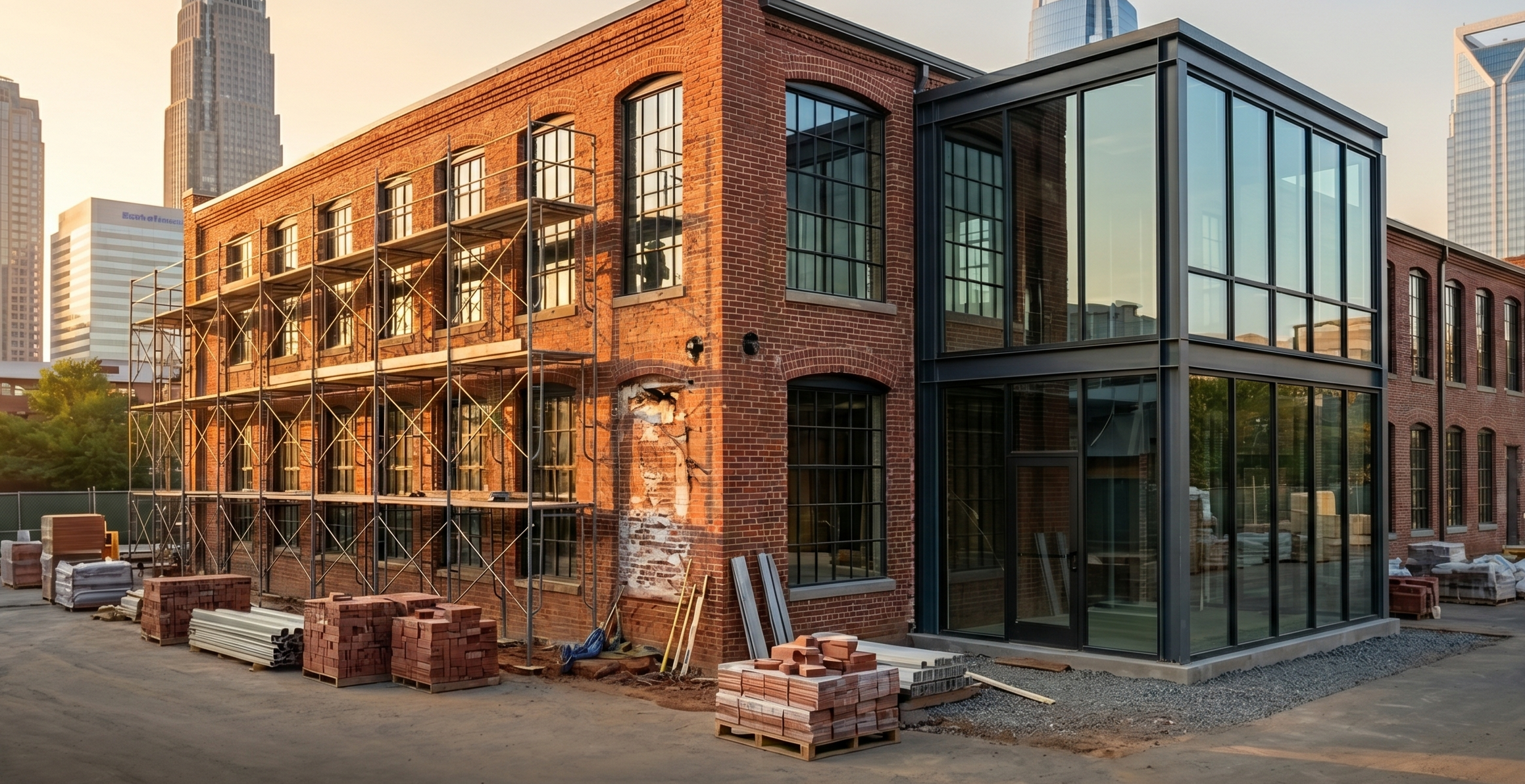
The Hidden Risks of Adaptive Reuse and Historic Renovations
The aesthetic appeal of converting a century-old textile mill or an industrial warehouse into a vibrant, modern commercial space is undeniable. In booming Charlotte neighborhoods like South End, NoDa, and FreeMoreWest, adaptive reuse projects command premium rents and attract high-profile corporate tenants.
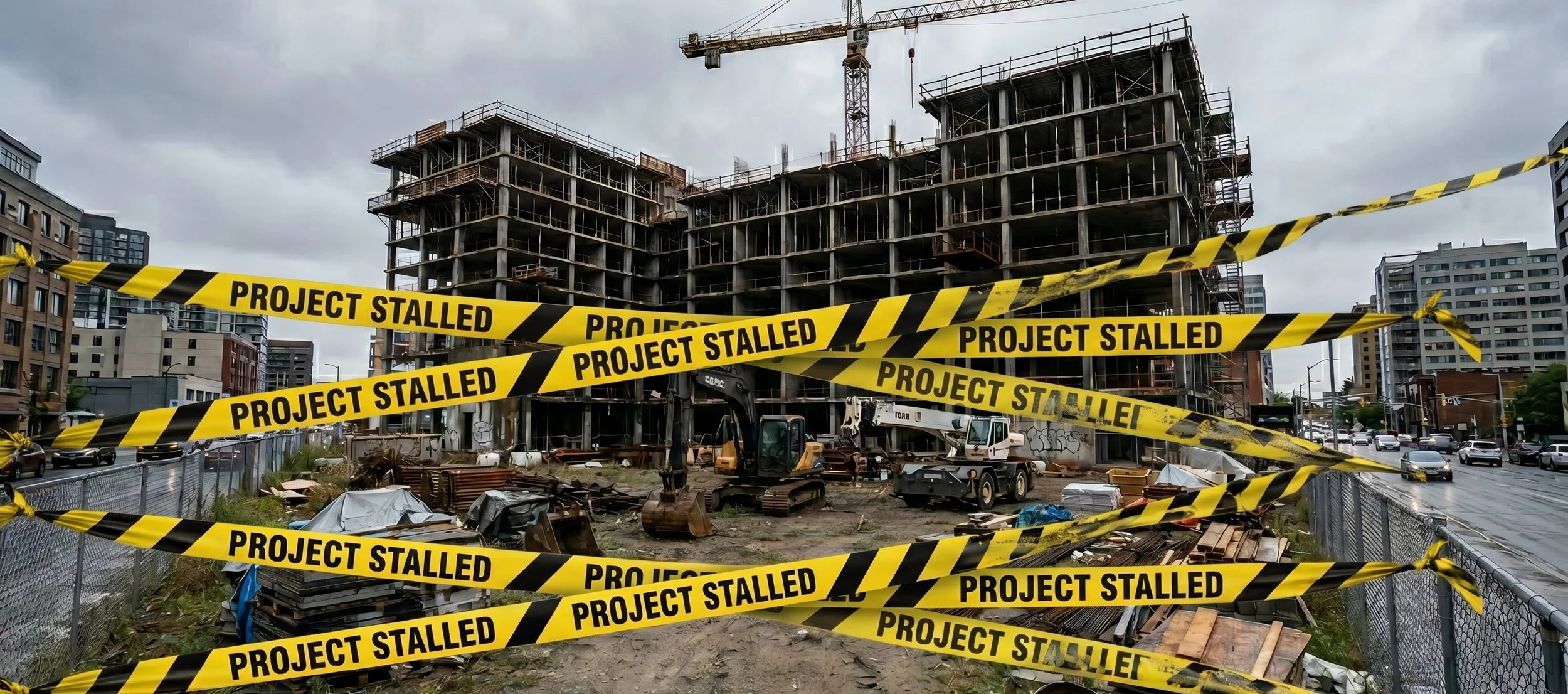
Project Rescue: What to Do When Your Job Site Stalls
A stalled commercial job site is a developer's worst nightmare. Every day that passes without progress eats into your contingency, delays your lease-up window, and jeopardizes your entire pro-forma. Whether the halt is due to a financial dispute, a failing subcontractor base, or gross mismanagement by the General Contractor, the first rule of project rescue is immediate intervention.
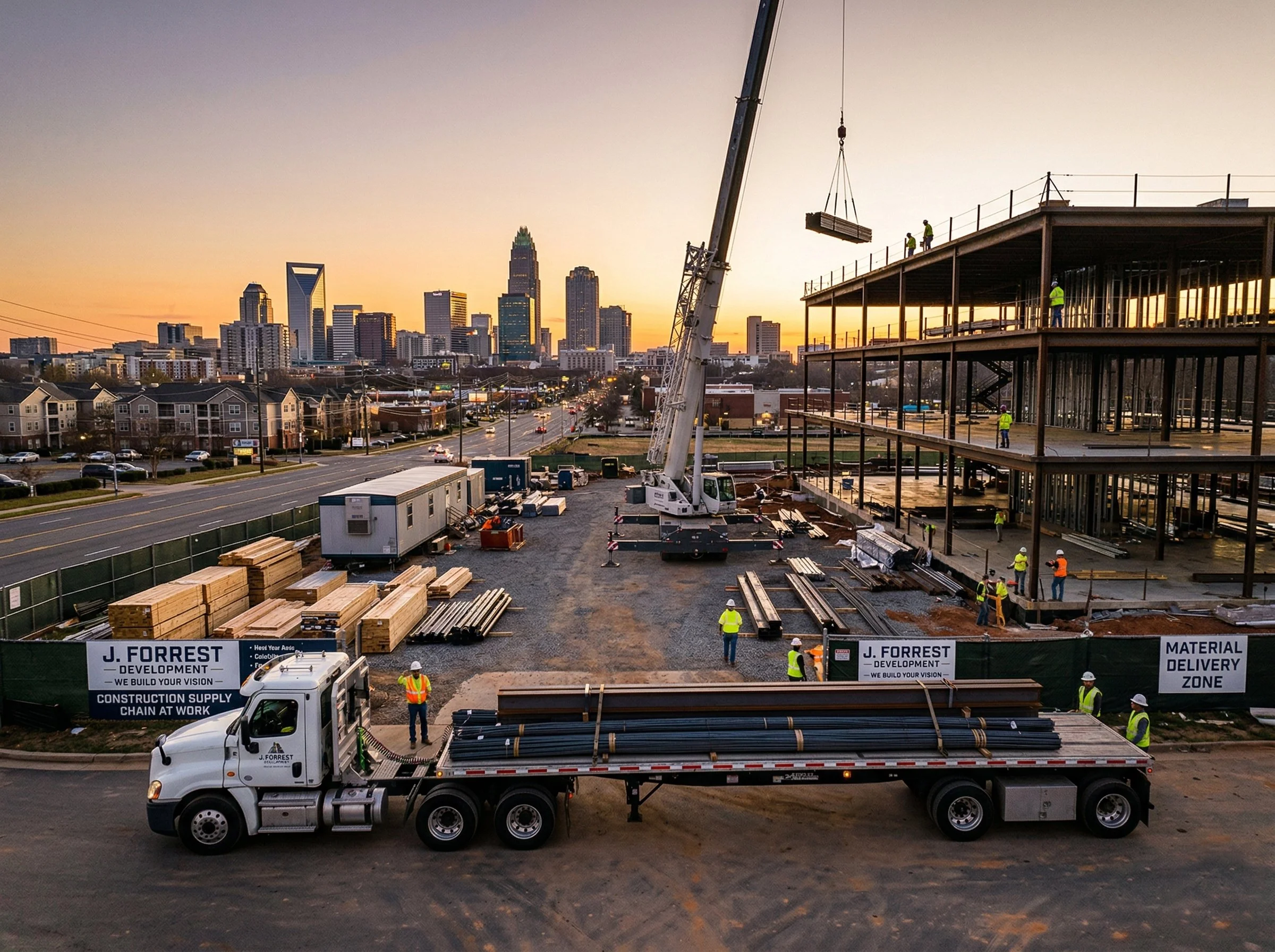
Supply Chain Risk Management in 2026: Protecting Your North Carolina Construction Investment
Effective construction supply chain management NC requires more than hope and prayers. It demands forensic-level planning, real-time monitoring, and local expertise that understands the unique challenges facing Greater Charlotte's commercial construction market. We've seen too many projects fail not from design flaws or permitting issues, but from preventable supply chain breakdowns that could have been identified months in advance.